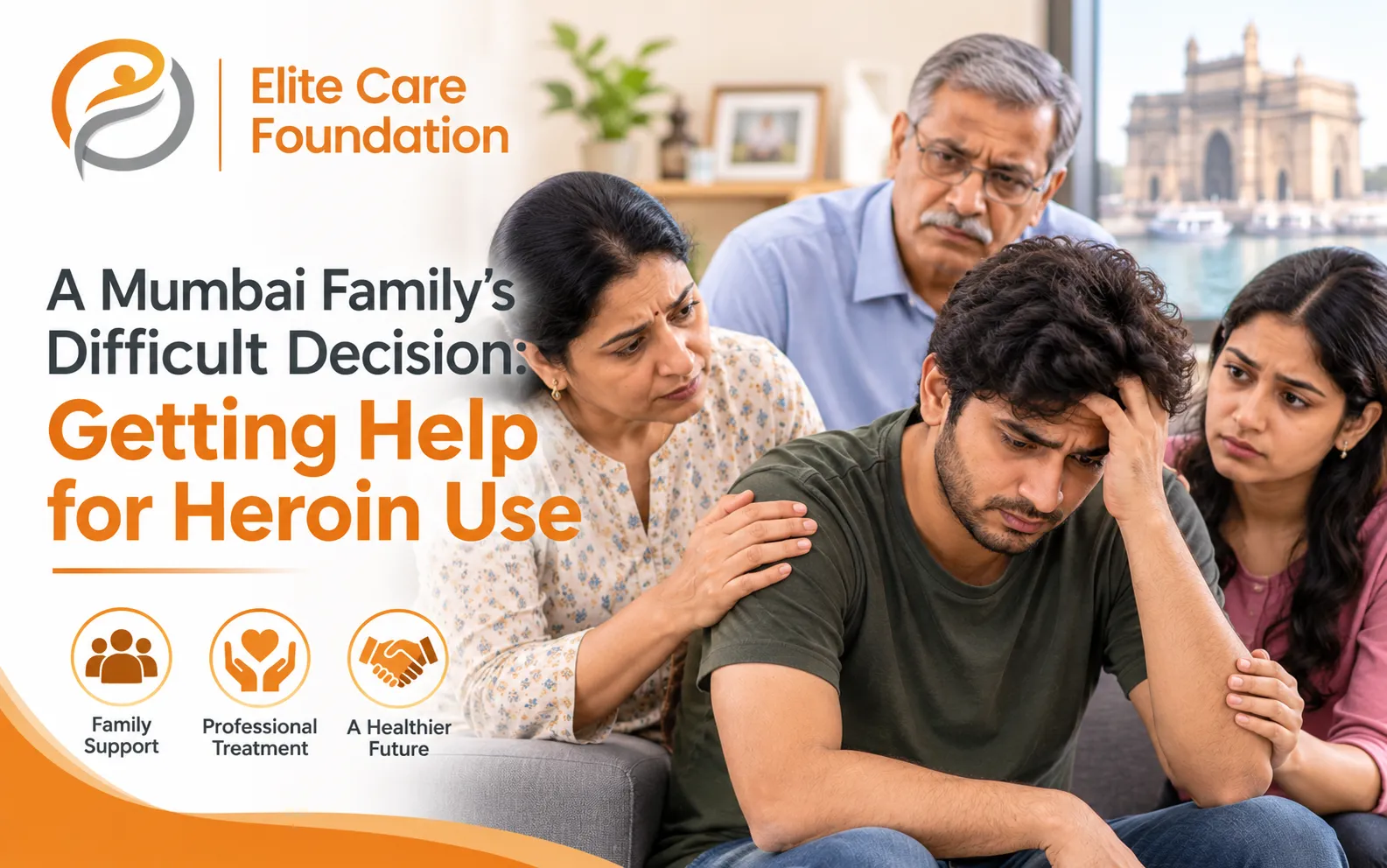
A family in Mumbai may know something is seriously wrong without knowing what the substance is. One person notices missed shifts; another has seen unusual drowsiness; a third has found a packet described as brown sugar. Everyone has a theory. Nobody wants to make the first call for help, partly because they fear the consequences for the person’s job or reputation.
It is understandable to want proof before raising such a sensitive subject. But with suspected opioid use, a medical consultation is not a courtroom hearing. The family can explain what it has actually seen, and the clinician can assess what those observations mean. Waiting for a laboratory result is not appropriate when somebody is unresponsive or breathing abnormally.
A street name is not a laboratory result
Brown sugar is a name commonly used for heroin in India. Street products may be mixed with other substances; their appearance tells the buyer little about the contents. The main immediate concern is respiratory depression, where an opioid slows the body’s drive to breathe. Combining opioids with alcohol, sleeping tablets or other sedating drugs can increase danger.
There is a difference between ordinary drowsiness and a possible overdose. A person who cannot be awakened, makes gurgling sounds or has very slow breathing needs emergency assistance. Relatives should call 112, use naloxone if available and appropriate, place the person on their side when breathing, and stay with them until help arrives. Do not use a cold shower, force food or wait for the effect to wear off.
The World Health Organization’s August 2025 opioid-overdose fact sheet estimated approximately 125,000 opioid-overdose deaths worldwide in 2019. That is an older global estimate, not a Mumbai death count. Its relevance to a family is straightforward: recognising a breathing emergency, obtaining naloxone where available and connecting someone with evidence-based treatment can save lives.
A conversation that leaves room for help
An accusation can quickly turn a conversation into a dispute about loyalty. It is often more useful to describe a specific incident and offer a limited next step. “You have fainted twice and missed four shifts. I want us to speak to a doctor today” is clearer than “You have ruined the family”.
There may be denial, fear of job loss or concern about neighbours finding out. These worries should be heard without agreeing that nothing is wrong. A private outpatient consultation may be a reasonable starting point for some people. Others need urgent medical assessment or a higher level of care, particularly after an overdose, severe mental health symptoms or repeated failed attempts to remain safe.
A search for नशा मुक्ति केंद्र मुंबई can help a family identify services, but the next step should be a conversation with the treatment team. Ask about clinical qualifications, privacy, admission criteria, arrangements for psychiatric or medical emergencies and what support remains available once someone goes home. Distance and affordability matter too, particularly when repeated follow-up visits will be needed.
Treatment decisions are not identical for every patient
One individual may need supervised withdrawal because they are using several substances. Another may benefit from ongoing medication for opioid use disorder. A third may have depression, chronic pain or a history of trauma that affects the plan. Assessment is not an administrative formality; it determines what is likely to be safe and useful.
For opioid dependence, WHO supports maintenance medicines including methadone and buprenorphine alongside appropriate psychosocial support. Families sometimes worry that a prescribed medicine means the individual has not recovered. In fact, the purpose of evidence-based medication is to reduce harm, improve stability and support functioning. Prescribing decisions belong to qualified clinicians, not relatives acting on internet advice.
An explanation of brown sugar addiction rehab should make it clear that there is no single programme suitable for every patient. A service ought to say whether it can arrange medication treatment when indicated, what psychological support is offered and how decisions are made with the patient’s informed consent.
Make the first appointment easier
Before the first appointment, write down what is known: recent episodes of collapse, medicines and alcohol use, possible last use of an opioid and earlier treatment. Include uncertainties. “We are not sure what was taken” is useful information. “He definitely took a stronger drug” may not be. If the person agrees, allow them space to speak to the clinician privately.
Travel also deserves thought. An unwell person should not be taken on a long journey simply because a facility is familiar. Emergency symptoms need nearby emergency care first. For a planned admission in the Mumbai Metropolitan Region, confirm the medical intake process, transport needs, costs and discharge planning beforehand.
Recovery can involve setbacks. A return to use calls for reassessment and safety measures, not a declaration that earlier treatment was meaningless. Families can hold boundaries around money and aggression while continuing to support care.
Some people accept help at the first conversation; others do not. A family can still keep the door open: speak without threats, be clear about immediate safety and arrange a professional assessment when the person is willing. Where breathing, consciousness or other urgent symptoms are affected, emergency treatment comes before any planned admission.