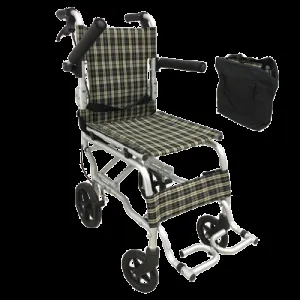
Transit wheelchairs serve a specific purpose different from standard mobility chairs, built for short trips rather than full-time use throughout a patient’s day. Prices vary considerably between suppliers, frame designs differ more than buyers expect walking into comparisons, and some vendors market standard wheelchairs as transit models without the lighter build these situations actually require. Whether you’re outfitting a hospital transport department or a care facility, understanding what makes a genuine Medical Aluminium Transit Wheelchair Supplier in Chile worth choosing saves both money and operational headaches. This guide covers what actually matters here.
Weight Matters More for Transit Use
Transit chairs get lifted, folded, and loaded into vehicles constantly, which makes overall weight a far bigger concern than it would be for a standard everyday wheelchair. Ask suppliers for exact frame weight specifications, not general aluminum construction claims that sound good but lack real numbers. Staff moving these chairs dozens of times daily notice even small weight differences fast, especially during long shifts involving repeated loading and unloading across multiple patient transports throughout a single day.
Folding Mechanism Speed and Reliability
Quick folding matters enormously in transit situations where time pressure genuinely affects patient care and vehicle scheduling constraints. Cheap folding mechanisms jam or require excessive force, slowing down transport staff during moments when speed actually counts for something real. A reliable Medical Bed Manufacturer in Argentina deals with similar mechanical reliability questions across their product lines, and that same standard should apply to transit chairs too; test the folding action yourself before committing to any purchase.
Compact Storage Footprint Considerations
Transit wheelchairs need to fold down small enough for storage in vehicles with genuinely limited cargo space, unlike standard chairs designed primarily for home or facility use. Ask about folded dimensions specifically, not just unfolded measurements that don’t matter much once the chair actually needs storing somewhere tight. Facilities running multiple transport vehicles should test whether several folded units fit together efficiently, since space constraints add up fast across a full day of scheduled trips.
Comfort Despite Minimalist Design
Transit chairs sacrifice some comfort features for weight and portability, but that tradeoff shouldn’t mean patients suffer through genuinely uncomfortable short trips regardless of duration. Ask about seat padding thickness and backrest support, since even brief trips feel longer when the seating itself is poorly designed or thinly padded throughout. A well-built transit chair balances portability against reasonable comfort standards, rather than stripping everything down purely for the sake of lighter overall weight.
Comparing Pricing Across Suppliers
Lowest quoted price rarely reflects genuine long-term value once durability and replacement frequency enter the equation across regular daily transit use. Request itemized quotes covering base unit cost, folding mechanism warranty, and any available bulk discounts clearly spelled out in writing beforehand. Compare at least three vendors side by side before deciding anything, since pricing structures vary more than most buyers initially expect walking into these negotiations. Factor total ownership cost across several years, not just today’s number.
Delivery Timelines and Fleet Ordering
Facilities ordering multiple units for transport fleets need realistic delivery timelines that account for bulk quantities rather than single-unit lead times quoted casually. Confirm whether suppliers can handle larger orders without extending delivery windows unreasonably long compared to smaller purchase quantities. Ask about staggered delivery options too, since receiving units in batches sometimes works better for facilities managing transport schedules around gradual fleet rollouts rather than one massive delivery all at once.
Warranty Terms and Replacement Parts
Warranty coverage on folding mechanisms and wheel components matters considerably more for transit chairs given their higher frequency of daily mechanical use compared to standard models. Look for coverage extending at least a year on moving parts specifically, since these components experience the heaviest wear under constant folding and unfolding cycles. Ask about replacement part availability and pricing too, since transit chairs in heavy rotation eventually need component swaps regardless of overall build quality involved.
Conclusion
Sourcing transit wheelchairs properly requires attention to details that differ meaningfully from standard mobility chair procurement most buyers are already familiar with. From frame weight to folding reliability to realistic fleet delivery timelines, each factor shapes whether the equipment holds up well under the specific demands transit use places on it daily. Taking time to verify specifications, test folding mechanisms directly, and compare vendors thoroughly pays off considerably once units enter regular rotation across a busy transport schedule handling multiple daily trips.