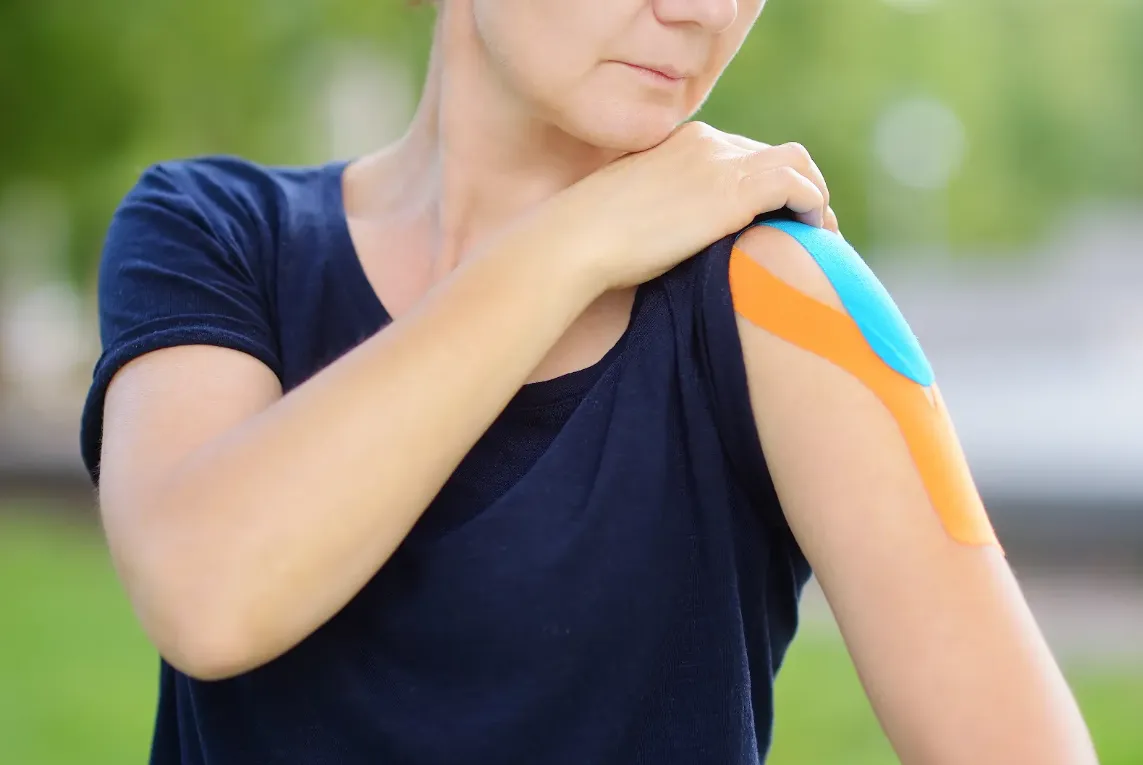
Shoulder pain can make even the simplest daily activities such as reaching overhead, lifting objects or getting dressed difficult. One of the most common causes of persistent shoulder pain is a rotator cuff injury. These injuries can range from mild inflammation and partial tendon tears to complete tendon ruptures that significantly affect shoulder strength and function. If you’ve been diagnosed with a rotator cuff injury, you are wondering whether surgery is necessary or if a non-surgical treatment like Platelet-Rich Plasma (PRP) therapy could help. Although both treatment options are used in orthopedic care, they serve different purposes and are recommended for different types of rotator cuff injuries.
Rotator cuff surgery is performed to repair torn tendons and restore shoulder function when conservative treatments are unlikely to provide sufficient improvement. High-Concentrated PRP therapy is a regenerative treatment that uses a concentrated portion of the patient’s own blood to support the body’s natural healing response. It helps reduce pain and improve function in appropriately patients, but it is not a replacement for surgery in every rotator cuff tear. The most appropriate treatment depends on the severity of the tendon injury, imaging findings, symptoms, age, activity level, occupation and individual treatment goals. Understanding the differences between these treatment options can help you make an informed decision with your orthopedic specialist.
Quick Comparison
|
Feature |
Rotator Cuff Surgery |
PRP Therapy |
|
Procedure |
Arthroscopic or open tendon repair |
Injection-based regenerative treatment |
|
Hospital Stay |
Usually day-care surgery |
Outpatient procedure |
|
Anesthesia |
General anesthesia with or without regional block |
Local anesthesia |
|
Incisions |
Small surgical incisions |
No surgical incision |
|
Recovery |
Several months with rehabilitation |
Generally shorter recovery |
|
Best Suited For |
Full-thickness tears and significant tendon damage |
Partial tears, tendinopathy and early tendon injuries |
|
Primary Goal |
Repair the torn tendon |
Support the body’s natural healing response |
|
Uses Patient’s Own Blood |
No |
Yes |
Rotator Cuff Surgery
Rotator cuff surgery is performed to repair one or more torn tendons that help stabilize and move the shoulder. Most procedures are done arthroscopically using a small camera and specialized instruments inserted through tiny incisions. During surgery, the torn tendon is reattached to the upper arm bone using specialized anchors. Depending on the extent of the injury, the surgeon can also remove inflamed tissue, smooth bone spurs or treat other shoulder conditions contributing to pain. Rotator cuff surgery is commonly recommended for patients with complete tendon tears, significant weakness or persistent pain that has not improved with appropriate non-surgical treatment. Potential benefits include:
-
Repair of the torn tendon
-
Improved shoulder strength
-
Better shoulder stability
-
Reduced pain
-
Improved range of motion after rehabilitation
-
Greater ability to return to work, sports and daily activities
Like any surgical procedure, rotator cuff repair carries potential risks, including infection, stiffness, nerve injury, blood clots, anesthesia-related complications, re-tear of the tendon and the need for additional surgery in patients.
PRP Therapy
Platelet-Rich Plasma (PRP) therapy is a regenerative orthopedic treatment prepared from the patient’s own blood. After a small blood sample is collected, it is processed to concentrate the platelets, which contain naturally occurring growth factors. The High-Concentrated PRP is then injected into the injured rotator cuff tendon under image guidance. The goal of High-Concentrated PRP therapy is to support the body’s natural healing processes, reduce inflammation and improve shoulder function in appropriately patients. It does not surgically repair a completely torn tendon or restore the mechanical strength of a full-thickness rotator cuff tear. A typical High-Concentrated PRP procedure includes:
-
Blood collection
-
Preparation of platelet-rich plasma
-
Image-guided injection into the injured tendon
-
Personalized rehabilitation and follow-up care
When Is Rotator Cuff Surgery Recommended?
Rotator cuff surgery is generally recommended when tendon damage is unlikely to heal adequately without surgical repair or when shoulder function is significantly affected. The decision to perform surgery is based on clinical examination, MRI findings, functional limitations and the patient’s lifestyle and treatment goals. Common indications include:
-
Full-thickness rotator cuff tears
-
Large tendon tears
-
Significant shoulder weakness
-
Loss of shoulder function
-
Persistent pain despite conservative treatment
-
Acute traumatic tendon tears
-
Active individuals who require good shoulder strength for work or sports
When Might High-Concentrated PRP Be Considered?
PRP therapy is considered for patients with rotator cuff conditions that do not require immediate surgical repair. It is appropriate for:
-
Partial-thickness rotator cuff tears
-
Rotator cuff tendinopathy
-
Chronic tendon inflammation
-
Mild to moderate tendon degeneration
-
Persistent symptoms despite physical therapy
-
Patients seeking non-surgical treatment options when clinically appropriate
Not every rotator cuff injury is suitable for High-Concentrated PRP therapy. Complete tendon tears with significant loss of function generally require surgical evaluation.
Benefits Comparison
|
Category |
Rotator Cuff Surgery |
PRP Therapy |
|
Primary Benefit |
Repairs the torn tendon |
Reduce pain and improve function in patients |
|
Invasiveness |
Surgical procedure |
Non-surgical injection |
|
Tendon Repair |
Yes |
No mechanical tendon repair |
|
Recovery |
Several months of rehabilitation |
Generally shorter recovery |
|
Risks |
Surgical and anesthesia-related risks |
Temporary soreness or swelling after injection |
Recovery: Rotator Cuff Surgery vs PRP
Recovery after rotator cuff surgery requires patience and commitment to rehabilitation. Patients usually wear a shoulder sling for several weeks to protect the repaired tendon before beginning a structured physical therapy program. Recovery timelines vary depending on the size of the tear and the procedure performed, but returning to full activities often takes several months. High-Concentrated PRP therapy is generally performed as an outpatient procedure, allowing patients to return home the same day. Since there is no surgical tendon repair, recovery is typically shorter. Patients gradually resume activities while following a rehabilitation program designed to improve shoulder mobility and strength. Although High-Concentrated PRP generally involves less downtime, the most appropriate treatment should always be determined by the nature of the tendon injury rather than recovery time alone.
Can High-Concentrated PRP Replace Rotator Cuff Surgery?
This is one of the most common questions patients ask after learning about regenerative medicine. High-Concentrated PRP therapy is not considered a replacement for surgery in patients with complete rotator cuff tears or significant tendon retraction. These injuries often require surgical repair to restore tendon attachment and shoulder function. However, High-Concentrated PRP has a role in carefully treating patients with partial tears, tendinopathy or chronic shoulder pain where surgery is not immediately necessary. Whether High-Concentrated PRP is appropriate depends on imaging findings, physical examination and the patient’s overall condition.
What Does the Research Say?
Rotator cuff surgery has long been the standard treatment for full-thickness tendon tears and injuries that significantly affect shoulder function. Numerous studies have demonstrated its effectiveness in restoring shoulder strength and improving quality of life in appropriate candidates. Research on High-Concentrated PRP therapy for rotator cuff disorders continues to evolve. Some studies suggest High-Concentrated PRP helps improve pain and function in patients with partial tears or tendinopathy, while others show variable outcomes. Current evidence does not support High-Concentrated PRP as a replacement for surgical repair in complete rotator cuff tears.
Cost Considerations
Treatment costs vary depending on the severity of the injury, the procedure performed and rehabilitation requirements. Rotator cuff surgery involves costs related to surgery, anesthesia, hospital care, imaging, surgical implants, medications and physical therapy. High-Concentrated PRP therapy is typically performed as an outpatient procedure and does not require hospitalization or surgical implants. Costs generally include consultation, imaging, blood processing, image-guided injections and rehabilitation. Patients should discuss expected costs and realistic treatment goals with their orthopedic specialist before deciding on treatment.
How Do You Decide?
Patients with complete tendon tears and significant weakness often benefit most from surgical repair, while patients with partial tears or tendinopathy are candidates for High-Concentrated PRP therapy as part of a comprehensive non-surgical treatment plan. There is no single treatment that is right for every rotator cuff injury. An orthopedic specialist will evaluate:
-
Medical history
-
Physical examination
-
MRI or ultrasound findings
-
Severity of the tendon tear
-
Shoulder strength
-
Range of motion
-
Occupation and activity level
-
Previous treatments
-
Long-term functional goals
Conclusion
Rotator cuff surgery and High-Concentrated PRP therapy are not competing treatments but different approaches for different shoulder conditions. Rotator cuff surgery remains the standard treatment for complete tendon tears and injuries associated with significant weakness or loss of function. High-Concentrated PRP therapy is considered for patients with partial tears, tendinopathy or chronic shoulder pain who wish to explore regenerative, non-surgical treatment options. The best treatment depends on the type of tendon injury, imaging findings, symptoms, activity level and individual goals. A comprehensive orthopedic evaluation is essential to determine the most appropriate treatment and achieve the best possible outcome. At RegenOrthoSport, Dr. Venkatesh Movva performs detailed assessments of shoulder injuries to determine whether High-Concentrated PRP therapy, Bone Marrow Concentrate (BMAC), other regenerative treatments or surgical referral is the most appropriate option. Every treatment plan is personalized to help patients reduce pain, restore shoulder function and return to the activities they enjoy.
Frequently Asked Questions (FAQs)
1. Is High-Concentrated PRP therapy better than rotator cuff surgery?
Neither treatment is universally better. Rotator cuff surgery is generally recommended for complete tendon tears and significant shoulder weakness, while High-Concentrated PRP therapy is considered for selected partial tears and tendinopathy.
2. Can High-Concentrated PRP heal a torn rotator cuff?
PRP helps support the body’s natural healing response and improves symptoms in patients with partial rotator cuff tears. However, it is not considered a replacement for surgical repair in complete tendon tears.
3. When is rotator cuff surgery recommended?
Rotator cuff surgery is commonly recommended for full-thickness tears, large tendon tears, significant shoulder weakness, loss of function and persistent symptoms despite appropriate non-surgical treatment.
4. Who is a good candidate for High-Concentrated PRP therapy?
PRP therapy is appropriate for patients with partial-thickness rotator cuff tears, tendinopathy, chronic tendon inflammation or persistent shoulder pain after conservative treatment, following a comprehensive orthopedic evaluation.
5. Does High-Concentrated PRP therapy use my own blood?
Yes. High-Concentrated PRP is prepared from a small sample of the patient’s own blood. The blood is processed to concentrate platelets, which are then injected into the injured tendon under image guidance.
6. Can High-Concentrated PRP replace rotator cuff surgery?
No. High-Concentrated PRP is not intended to replace surgery for complete rotator cuff tears or injuries with significant tendon retraction and shoulder weakness.
7. How long does recovery take after rotator cuff surgery?
Recovery varies depending on the size of the tear and the procedure performed. Most patients require several months of rehabilitation before returning to unrestricted activities.
8. How long does recovery take after High-Concentrated PRP therapy?
Recovery is generally shorter than after surgery. Many patients gradually resume daily activities while following a structured rehabilitation program recommended by their orthopedic specialist.
9. Is rotator cuff surgery painful?
Some pain and discomfort are expected after surgery, but these are typically managed with medications, ice therapy and a supervised rehabilitation program.
10. Is High-Concentrated PRP therapy painful?
Patients experience mild discomfort during the injection and temporary soreness afterward. These symptoms usually improve within a few days.
11. What are the risks of rotator cuff surgery?
Potential risks include infection, stiffness, nerve injury, blood clots, anesthesia-related complications, tendon re-tear and persistent shoulder pain.
12. What are the risks of High-Concentrated PRP therapy?
Possible side effects include temporary pain, swelling, bruising or soreness at the injection site. As with any injection procedure, there is a small risk of infection.
13. Can athletes return to sports after rotator cuff surgery?
Yes. Many athletes return to sports after successful surgery and rehabilitation. The timeline depends on the severity of the injury, healing progress and the physical demands of the sport.
14. Can athletes return to sports after High-Concentrated PRP therapy?
Return to sports depends on the extent of the tendon injury, response to treatment and completion of an appropriate rehabilitation program.
15. Is physical therapy necessary after rotator cuff surgery?
Yes. Physical therapy is an essential part of recovery and helps restore shoulder mobility, strength, stability and overall function.
16. Will I need rehabilitation after High-Concentrated PRP therapy?
Yes. Rehabilitation often plays a key role in optimizing recovery, improving shoulder mechanics and supporting long-term function after High-Concentrated PRP treatment.
17. How do doctors decide between rotator cuff surgery and High-Concentrated PRP therapy?
The decision is based on the severity of the tendon tear, imaging findings, shoulder strength, range of motion, age, activity level, occupation and the patient’s treatment goals.
18. Can High-Concentrated PRP be combined with rotator cuff surgery?
In selected cases, High-Concentrated PRP is used as an adjunct to surgical repair. Research is ongoing to better understand its role and potential benefits in improving tendon healing.
19. Is every rotator cuff tear treated with surgery?
No. Many partial-thickness tears and cases of rotator cuff tendinopathy can often be managed with non-surgical treatment depending on symptoms, shoulder function and imaging findings.
20. Why choose RegenOrthoSport for rotator cuff treatment?
At RegenOrthoSport, Dr. Venkatesh Movva performs a comprehensive evaluation of every shoulder injury before recommending treatment. Depending on the diagnosis, options include High-Concentrated PRP therapy, Bone Marrow Concentrate (BMAC), structured rehabilitation or referral for rotator cuff surgery when clinically indicated. Every treatment plan is personalized to help patients reduce pain, restore shoulder function and return to their daily activities with confidence.