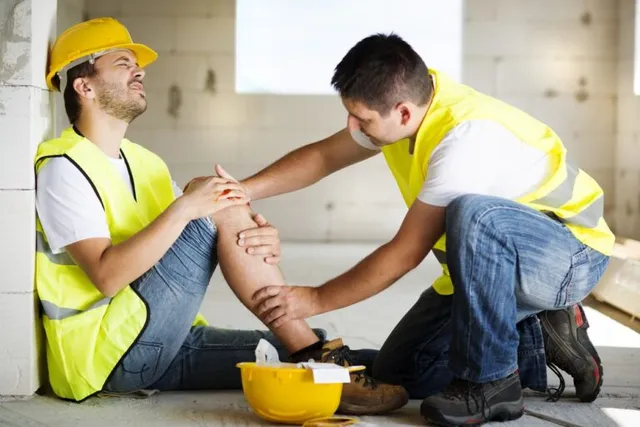
A workplace injury can make ordinary tasks feel much harder than expected. Lifting, reaching, standing, sitting, climbing, driving, or repeating the same movement may become uncomfortable even when symptoms seem manageable during rest.
For someone seeking Work Injury Physiotherapy Camrose, rehabilitation should consider the actual demands of the job. A useful plan looks at movement, strength, tolerance, and the activities that need to be restored for a safe return.
Start With the Demands of the Role
A desk worker, warehouse employee, tradesperson, and healthcare worker all place different demands on the body. Their rehabilitation plans should reflect those differences rather than using the same exercises for every workplace injury.
Assessment may include the movements that trigger symptoms, how long a position can be tolerated, and which tasks are currently limited. These details help create goals that connect treatment with real responsibilities instead of focusing only on general fitness.
Early Recovery Does Not Mean Complete Rest
After an injury, temporarily reducing aggravating tasks can be sensible. However, avoiding movement for too long may reduce strength and confidence, making the eventual return to normal duties more difficult.
Gradual activity is often more practical. Walking, mobility work, light strengthening, or modified job tasks can be increased as tolerated. The pace should respond to symptoms, tissue healing, medical guidance, and the physical demands of the person’s role.
Build Capacity Step by Step
Returning to work requires enough physical capacity for a full shift, not just a few minutes of activity in a clinic. Rehabilitation may therefore need to progress beyond simple exercises as recovery continues.
Later stages can include lifting, carrying, pushing, pulling, reaching, squatting, or sustained positions when those tasks are relevant. The aim is to make rehabilitation gradually resemble the loads and movements the employee will face at work.
Modified Duties Can Support Progress
A return does not always need to happen in one large step. Temporary changes to hours, lifting limits, repetitive tasks, or physically demanding duties may help someone re-enter the workplace while continuing to rebuild tolerance.
Modified duties should still have a purpose. They can provide controlled exposure to work without immediately returning the person to their highest demands. As function improves, restrictions can be reviewed, and responsibilities increased where appropriate.
Where Massage Therapy May Fit
Muscle soreness, guarding, or tension can sometimes accompany a workplace injury, particularly when movement patterns change. Hands-on treatment may be considered as one part of a broader plan when it is appropriate for the individual.
People considering Massage Therapy Camrose should not view massage as a replacement for active rehabilitation. When used, it can sit alongside education, exercise, activity progression, and other strategies aimed at restoring useful movement.
Ergonomics Should Be Practical
Ergonomic changes can be helpful when a workstation or repeated task clearly contributes to discomfort. Small adjustments to desk setup, tool position, lifting approach, or movement breaks may reduce unnecessary strain during recovery.
The goal is not to create a perfect posture that must be maintained all day. People naturally change position. Practical ergonomics should make important tasks easier while allowing normal movement rather than encouraging someone to remain rigid.
Track Function, Not Just Symptoms
Pain levels can change from day to day, so they are not the only measure of progress. It can be more useful to track how long someone can sit, stand, walk, lift, or complete a work task.
These functional markers provide a clearer picture of whether capacity is improving. They also help clinicians and workers decide when exercises can progress, when duties can increase, or when part of the plan needs to be adjusted.
Communication Helps the Return Process
Workplace recovery can involve the injured person, healthcare providers, employers, and insurance or compensation systems. Clear information about current abilities and restrictions can make the process easier for everyone involved.
The focus should remain on what the person can safely do now and what they are working toward. Specific functional goals are often more useful than vague instructions because they give the recovery plan a clear direction.
Conclusion
Recovering from a workplace injury is not simply about waiting until pain disappears. A successful return depends on rebuilding the strength, movement, endurance, and confidence needed for the actual demands of the job.
A gradual plan can combine exercise, appropriate hands-on care, task-specific practice, and temporary work modifications when needed. By measuring progress through real activities, rehabilitation can stay focused on helping the person return to work with greater capacity and confidence.