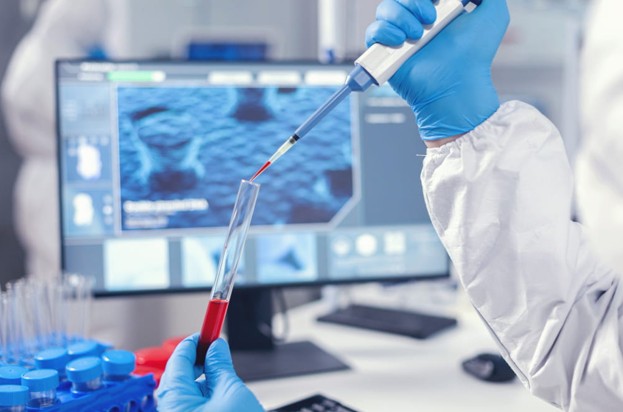
Molecular diagnostics has become one of the most important advancements in modern healthcare, fundamentally changing how diseases are detected, monitored, and understood at a biological level. Unlike traditional diagnostic methods that often rely on observable symptoms or basic laboratory tests, molecular diagnostics focus on analyzing genetic material such as DNA and RNA to identify specific markers associated with diseases. This approach allows healthcare professionals to detect conditions much earlier and with far greater precision, which can significantly improve patient outcomes and treatment strategies.
At its core, molecular diagnostics involve the use of advanced laboratory techniques to study genetic sequences and molecular interactions within cells. Technologies such as polymerase chain reaction, next generation sequencing, and microarray analysis enable scientists to identify even the smallest genetic variations that may indicate the presence of a disease. These techniques have proven especially valuable in detecting infectious diseases, genetic disorders, and various types of cancer, where early and accurate diagnosis can make a critical difference in treatment success. The ability to work at such a detailed level has redefined the concept of diagnosis, shifting it from reactive to increasingly proactive healthcare.
During my research, I came across an article by Roots Analysis that provided valuable insights into the growth of this field. The global molecular diagnostics market, valued at USD 17 billion in 2025, is projected to reach USD 18 billion in 2026 and USD 31 billion by 2035, with a compound annual growth rate of 6.4 percent during the forecast period from 2026 to 2035.
This steady growth reflects the increasing demand for advanced diagnostic tools and the expanding role of molecular techniques in healthcare systems around the world. It also highlights the ongoing investment in research and development aimed at improving diagnostic capabilities and expanding their applications.
One of the most significant benefits of molecular diagnostics is its role in enabling personalized medicine, where treatments are tailored to the individual characteristics of each patient. By understanding the genetic profile of a disease, doctors can choose therapies that are more likely to be effective while minimizing potential side effects. This approach is particularly important in oncology, where different patients may respond differently to the same treatment based on their genetic makeup. Molecular diagnostics provides the data needed to make these informed decisions, helping to move healthcare away from a one size fit all model toward more precise and individualized care.
Another important aspect of molecular diagnostics is its contribution to managing infectious diseases, which remains a major global health concern. Rapid and accurate identification of pathogens allows healthcare providers to respond quickly and implement appropriate treatments or containment measures.
During outbreaks or pandemics, molecular diagnostic tools play a crucial role in tracking the spread of infections and guiding public health responses. The speed and accuracy of these technologies are essential in preventing widespread transmission and ensuring timely intervention, especially in situations where delays can have serious consequences.
The integration of molecular diagnostics into routine healthcare systems also highlights the importance of maintaining high standards of accuracy and reliability in medical testing. Because diagnostic results can directly influence treatment decisions and patient safety, it is essential that these tests are conducted with precision and consistency.
This aligns with broader quality principles that emphasize trustworthiness, expertise, and the prevention of harm in sensitive areas such as healthcare, where even minor inaccuracies can have significant impacts. As a result, laboratories and healthcare providers must adhere to strict protocols and validation processes to ensure the reliability of molecular diagnostic tests.
Despite its many advantages, molecular diagnostics also face several challenges that need to be addressed for wider adoption. High costs associated with advanced equipment and specialized testing can limit access in resource constrained settings, creating disparities in healthcare availability.
Additionally, the complexity of these technologies requires skilled professionals who can interpret results accurately and integrate them into clinical decision making. Addressing these challenges will require continued investment in infrastructure, training, and affordable solutions that can make molecular diagnostics more accessible to a broader population.
Looking ahead, the future of molecular diagnostics is expected to be shaped by ongoing innovations in technology and data analysis. Advances in artificial intelligence and bioinformatics are likely to enhance the interpretation of complex genetic data, making diagnostics faster and more accurate. At the same time, the development of portable and point of care testing devices could bring molecular diagnostics closer to patients, reducing the need for centralized laboratory facilities and improving access in remote or underserved areas.
In conclusion, molecular diagnostics represents a major shift in the way diseases are detected and managed, offering a level of precision and insight that was not possible with traditional methods. By enabling early detection, personalized treatment, and effective disease monitoring, it plays a crucial role in improving healthcare outcomes and advancing medical science. As the field continues to evolve, it will remain a key driver of innovation and a cornerstone of modern healthcare, helping to build a future where diagnosis is more accurate, timely, and tailored to individual needs.