Tarot has a reputation for being dramatic, yet most sessions are quieter than films suggest. People who type best psychic in nj into a search bar often land on tarot first, because it offers a structured doorway into guidance. A deck of cards gives the conversation a shape, which helps when emotions feel scattered. This article explains what an introductory tarot session covers, how symbols are interpreted, and how to use the cards as a reflective tool, not a verdict about tomorrow.
The Cards as a Conversation Starter
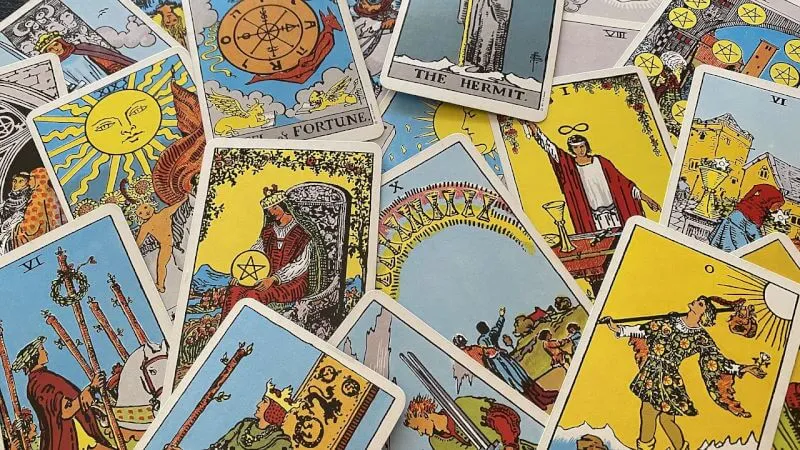
A tarot deck holds seventy-eight cards, each carrying imagery tied to themes like change, loyalty, ambition, and loss. When cards are drawn, the reader links their symbols to the questions you bring. The cards themselves matter less than the dialogue they spark, since a single image can prompt you to speak about something you had not planned to mention. Think of the spread as a visual agenda for the hour, letting you move through topics gently instead of facing a blank, intimidating silence.
Why Beginners Often Start Here
Tiffany’s practice presents its tarot card reading as the premier service for new clients, and the reasoning is easy to follow. It is a general introduction that touches on every area of life, so you do not need a polished question or a long backstory. You simply arrive, listen, and see which topics surface first. Starting broad also helps you judge the reader’s style, pace, and tone before committing to anything deeper, which is a sensible way to test unfamiliar territory.
Past, Present, and Future in One Sitting
The introductory session is built around a three-part view of your life. The past portion looks at experiences that still shape your reactions, the present portion focuses on what currently asks for attention, and the future portion explores possible directions rather than fixed outcomes. The website adds that this reading includes a past life element for those curious about it. Treat that part as an imaginative lens. Whether or not you accept such ideas literally, the questions they raise can be surprisingly useful for self-reflection.
How Symbols Become Plain Advice
Imagery only helps when it is translated into everyday language. Anyone who looks up tiffany psychic will notice her emphasis on clear delivery, which matters because a spread full of symbolism can easily confuse a nervous client. Ask the reader to explain why a particular card suggests a particular idea, then connect it to something concrete in your week. If an interpretation feels forced, say so. A good session invites that feedback and adjusts, leaving you with practical thoughts instead of puzzling pictures.
Questions That Work Well With Tarot
Open questions tend to produce richer readings than yes-or-no ones. Instead of asking whether a job will work out, try asking what you should consider before accepting it. Instead of asking whether someone will call, ask what patterns shape the connection. Tarot excels at revealing themes, motives, and blind spots, and it is far weaker at naming dates or certainties. Writing two or three questions beforehand keeps the hour focused, and leaves space for surprises that the cards raise on their own.
Keeping Expectations Healthy
No deck can control your future, and a responsible reader will say as much. Cards offer reflection, not instructions, so your decisions remain firmly your own. Notice how you feel when a message lands, since that reaction is often the most informative part. If something sounds alarming, pause rather than panic, and ask for clarification. The Rochelle Park practice also stands behind a satisfaction guarantee on all readings, which encourages honest feedback instead of silent doubts that you carry home unresolved.
What to Do After the Session
Once the cards are packed away, the real value begins. Write down the cards you clearly remember and the ideas attached to them while the details are fresh. A day later, read your notes again and mark anything that still feels meaningful. Share one insight with a trusted friend if that helps you process it more easily. Over several weeks, notice which themes keep appearing in your own life, because repetition often shows what truly deserves your time, energy, and thoughtful attention.
A Gentle First Step
A first tarot session is less about prediction and more about starting an honest conversation with yourself. Come curious, bring a few open questions, and let the imagery guide you toward clearer thinking. When you are ready to learn about services, schedule an appointment, or read more about the reader, visit njpsychic.com and browse each page patiently. Take what resonates, leave what does not, and remember that your own good judgment is the steadiest and most reliable companion you will ever have.