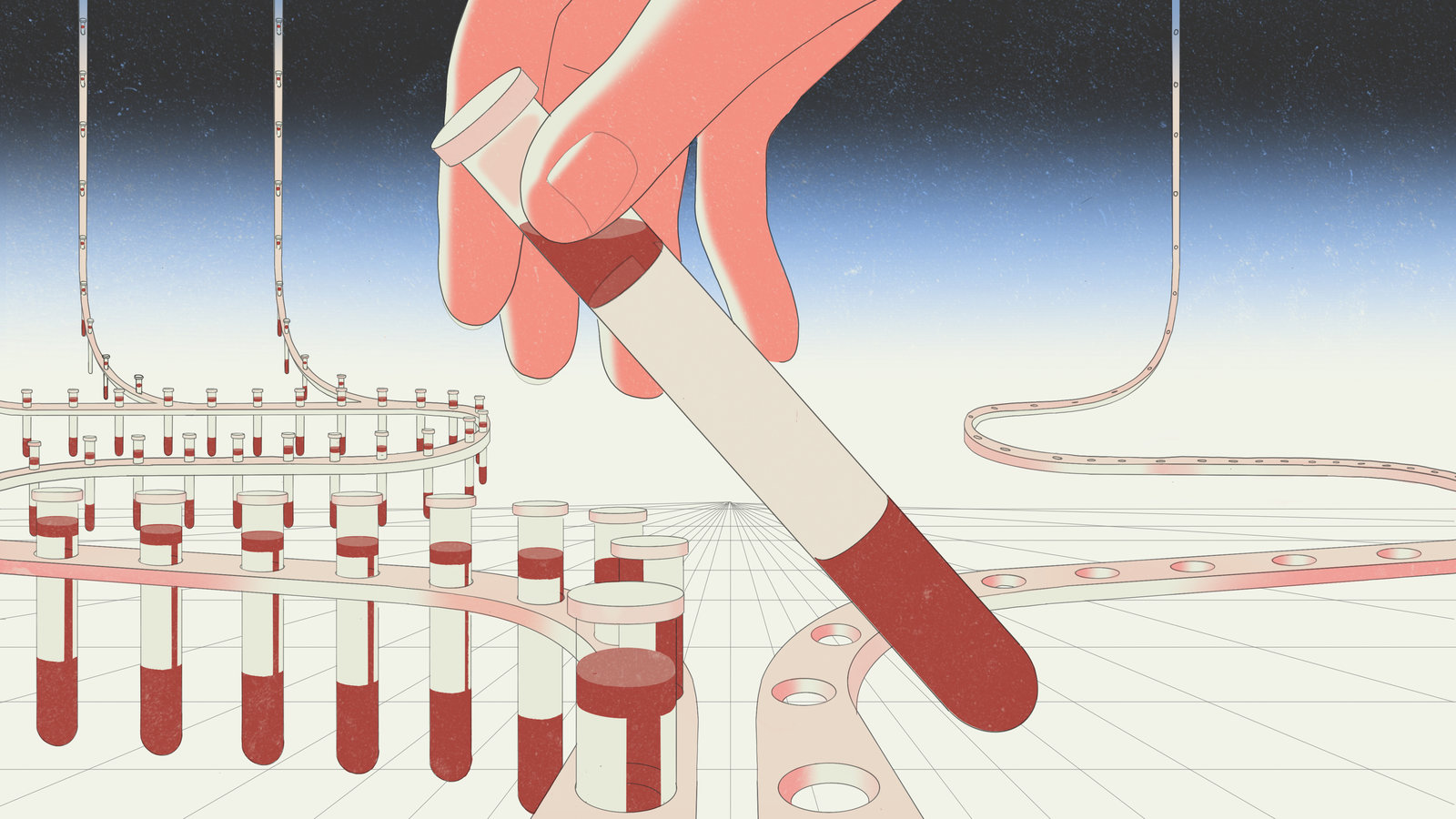
When your baby is born, the blood left in the umbilical cord contains an incredible resource: stem cells. These are not ordinary cells. They are the starting materials that your body uses to make new blood cells (and many more types of cells in the body) and repair the immune system. Therefore, they can be used in the treatment of several life-threatening diseases.
For just a few minutes after birth, you have a one-time chance to collect and preserve these stem cells. Once that window closes, the chance is gone forever. That’s why, as expectant parents, you must learn all about the preservation and banking process and how it benefits your family. So that you can take a call well in time and seize the lifesaving opportunity.
In this blog, we’ll talk about a few common diseases that stem cells can help treat. So keep reading!
What Are Cord Blood Stem Cells?
Cord blood contains hematopoietic stem cells (HSCs). These types of cells differentiate into various types of blood cells. When the blood or immune system is afflicted by a disease or sustained injury, hematopoietic stem cells can facilitate their regeneration through transplantation into the patient.
Cord blood stem cell collection is a fully painless, non-invasive, and riskless process for both the mother and her baby, as opposed to collecting stem cells from bone marrow.
Diseases Currently Treated with Stem Cells
Cord blood transplants have become a standard treatment option for a wide range of conditions. Here is a look at the main categories:
- Blood Cancers and Disorders
Cord blood transplant is quite commonly used in the treatment of leukemia, including Acute Myeloid Leukemia (AML), Acute Lymphoblastic Leukemia (ALL), and Chronic Myeloid Leukemia (CML). Additionally, it is also used for treating Myelodysplastic syndromes and myeloproliferative disorders.
For the procedure, healthy stem cells from a donor or the patient’s own banked cord blood are transplanted into the patient, which replaces cancerous blood cells with healthy ones.
- Lymphomas
A person may need a stem cell transplant for Hodgkin’s or non-Hodgkin’s lymphoma if conventional treatments do not work or if the lymphoma comes back after being in remission. A cord blood transplant would give their immune system a chance to rebuild after high doses of chemotherapy had destroyed it. - Bone Marrow Failure
Aplastic anemia occurs when your bone marrow doesn’t make enough blood cells. If left untreated, this condition can result in death. One of the best treatments for aplastic anemia, especially in children, is stem cell transplants. Patients with Fanconi anemia, a genetic disorder that affects blood cells from birth, are also treated with stem cell transplants. - Inherited Immune Disorders
Children suffering from Severe Combined Immunodeficiency (SCID), or Bubble Boy Disease, have almost no immune system and are therefore at a very high risk of life-threatening infections. Through cord blood transplantation, SCID can be successfully cured. In addition to SCID, other conditions that affect an individual’s immune system (such as Wiskott-Aldrich Syndrome (WAS)) can also be treated with stem cell transplantation. - Hemoglobin Disorders
Sickle cell disease and beta-thalassemia are lifelong blood disorders that cause enormous suffering. Cord blood transplantation is currently the only proven cure for sickle cell disease in eligible patients. - Metabolic Disorders
Certain inherited metabolic disorders, including Hurler syndrome, Krabbe disease, and adrenoleukodystrophy, can cause progressive deterioration of the brain and other organs due to the absence of an enzyme. Stem cell transplantation early on may slow or halt this deterioration by replacing cells that lack the enzyme with healthy ones.
What Research Is Showing Us Next
Beyond the conditions already treated, cord blood stem cells are being studied in clinical trials for conditions like cerebral palsy, autism spectrum disorder and type 1 diabetes. These trials are in various stages, and results are promising.
Why Banking Makes Practical Sense
There are three main options for cord blood banking: public banking (donating to a registry for anyone to use), private banking (storing exclusively for your family at a private stem cell bank), and community cord blood banking.
While public banking is a noble act, you lose all access to the lifesaving stem cells by giving them away. And private banking, though exclusive, can leave you with limited match probabilities. Considering these, community cord blood banking turns out to be a very smart middle ground.
By banking with a community cord blood bank like LifeCell (India’s most trusted stem cell bank and the only one offering community banking services), you get to preserve your baby’s stem cells along with a vast pool of pre-existing stem cells (85000+ units currently stored). This increases your match probability to >97% in case you and your family ever need a stem cell transplant.
And since it’s a common pool, you’re also doing a service to the entire community by further enriching it with your baby’s stem cells (without giving up your rights to it). Say a WIN-WIN!
Summing Up
Cord blood banking is about preserving a once-in-a-lifetime resource that could potentially help treat serious health conditions in the future.
With stem cell transplant already being used for treating several blood, immune, and genetic disorders, banking your baby’s cord blood can offer an added layer of protection for your family. And since the opportunity to collect these stem cells comes only at birth, understanding your options and making an informed decision ahead of time can really pay off in the long run.