Tooth loss can be a stressful experience, affecting not just your appearance but also your oral health and confidence. When it comes to replacing a missing tooth, two popular restorative options stand out: the single-tooth implant and the dental bridge. Both offer reliable, long-term solutions that restore function and aesthetics, but they differ in structure, procedure, and longevity. Understanding these differences can help you make an informed choice that aligns with your needs, budget, and lifestyle.
The rise in dental implants as a preferred method of tooth replacement has changed how people approach dental restoration. Unlike traditional options, implants are designed to mimic the structure of natural teeth, offering a permanent and stable solution. On the other hand, dental bridges have been used successfully for decades and remain a trusted option for those seeking quicker results.
If you’re seeking expert advice from an experienced dentist in Lake Mary Florida, our dental team specializes in advanced restorative procedures, including implants and bridges. We guide every patient through a personalized consultation to evaluate oral health, bone density, and aesthetic goals before recommending the ideal solution.
Understanding the Basics: What Are Single-Tooth Implants and Bridges?
Before deciding between the two options, it’s essential to understand how they differ structurally and functionally.
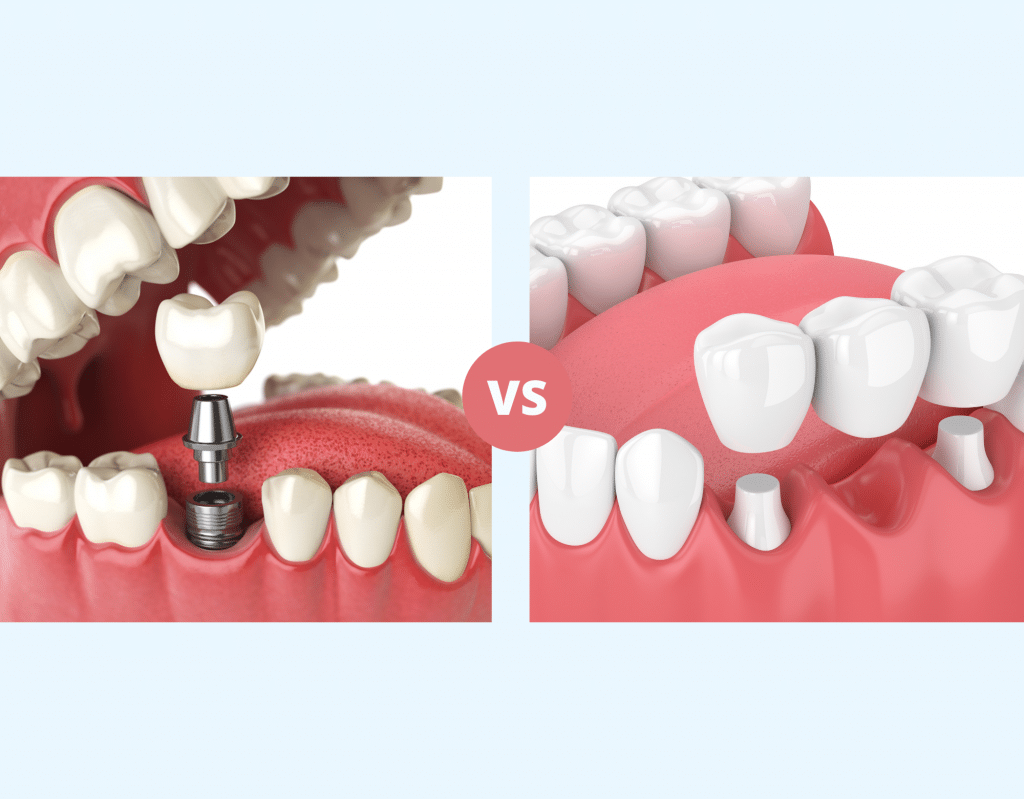
A single-tooth implant is a titanium post surgically placed into the jawbone, acting as an artificial root. Once the implant integrates with the bone, a custom-made crown is attached to restore the visible portion of the tooth. This method closely replicates the function and feel of a natural tooth.
In contrast, a dental bridge involves anchoring a false tooth (called a pontic) to the adjacent natural teeth or crowns. The surrounding teeth are reshaped to hold the bridge securely in place, creating a continuous row that fills the gap and maintains a natural appearance. Bridges do not require surgery, making them a faster solution, though they rely on the health of the neighboring teeth.
Understanding the basic difference helps patients weigh their comfort level with surgical versus non-surgical procedures.
The Procedure: What to Expect
The process for a single-tooth implant and a bridge differs significantly in terms of time and complexity.
Single-Tooth Implant Procedure
- Begins with an evaluation to assess bone health and overall oral condition.
- The titanium post is surgically inserted into the jawbone.
- Over the next few months, osseointegration occurs, allowing the bone to fuse with the implant for enhanced stability naturally.
- Once healed, an abutment and custom crown are attached to complete the restoration.
This multi-step process can take several months, but the result is a permanent, natural-looking replacement that functions like your original tooth.
Dental Bridge Procedure
- The adjacent teeth are prepared by removing a small amount of enamel to fit crowns.
- An impression is taken, and a custom bridge is fabricated.
- The bridge is cemented in place, instantly restoring your smile.
This approach typically requires only two visits, making it more time-efficient, though it involves altering healthy teeth.
Durability and Longevity
When comparing longevity, single-tooth implants often have the advantage. With proper care, they can last 20 years or more, and in many cases, a lifetime. Because they are fused to the jawbone, implants offer unmatched strength and durability.
Bridges, while long-lasting, typically have a lifespan of 10 to 15 years before they may need replacement due to wear, decay under the supporting crowns, or gum recession. However, with excellent oral hygiene and regular dental visits, a bridge can remain functional and attractive for many years.
In the long term, implants are a more cost-effective investment due to their permanence and minimal maintenance.
Bone Health and Gum Preservation
One of the most significant differences between the two treatments lies in their impact on bone and gum health.
A single-tooth implant stimulates the jawbone just like a natural tooth root, preventing bone loss that often follows tooth extraction. This process maintains facial structure and prevents the “sunken” appearance that can develop over time.
A bridge, on the other hand, does not replace the missing tooth root. As a result, the bone beneath the gap may gradually deteriorate due to a lack of stimulation. Over the years, this can alter facial contours and affect the fit of neighboring teeth.
If maintaining bone density and facial aesthetics is a priority, implants generally provide a more beneficial long-term solution.
Aesthetics and Functionality
Both options can deliver beautiful results, but implants often offer a more natural and lifelike appearance. The crown of an implant is customized to match the color, shape, and translucency of your surrounding teeth, blending seamlessly into your smile.
Bridges can also appear very natural, especially when crafted from high-quality materials such as porcelain or zirconia. However, they rely on the stability and health of adjacent teeth, and over time, gum recession can create small gaps under the bridge, which slightly affects the appearance.
Functionally, implants feel and perform like natural teeth. You can chew, speak, and smile confidently without worrying about slippage or special cleaning routines. Bridges, though stable, require careful hygiene practices to prevent decay around the supporting teeth and accumulation of plaque beneath the pontic.
Cost Considerations: Short-Term vs Long-Term Value
Cost is often a deciding factor when choosing between an implant and a bridge. At first glance, dental bridges tend to be less expensive due to the shorter procedure and absence of surgery. They can be an excellent choice for patients seeking a faster and more budget-friendly restoration.
However, implants, while initially more costly, can provide greater value in the long run. Because they last longer and do not require replacement as frequently, they often result in lower lifetime costs. Additionally, implants prevent bone loss, which can help avoid future dental complications that might otherwise incur extra expenses.
Your dentist will consider various factors, including the number of missing teeth, the health of your jawbone, and your personal preferences, before recommending the most cost-effective solution tailored to your specific situation.
Maintenance and Oral Hygiene
Caring for your restoration is crucial to ensuring its longevity and preserving overall oral health.
Implants require the same maintenance as natural teeth. Regular brushing, flossing, and professional cleanings help maintain the health of the gums and surrounding tissues. Unlike bridges, there’s no need for special floss threaders or extra cleaning tools to reach under the restoration.
Bridges, however, demand meticulous care. Food particles and bacteria can accumulate beneath the bridge, leading to decay or gum disease if not cleaned properly. Using an interdental brush or floss threader can help keep the area underneath clean and healthy. Regular dental visits are essential for monitoring the health of the supporting teeth.
A Confident Smile Through the Right Choice
Both single-tooth implants and bridges can beautifully restore your smile and oral functionality, but the right choice depends on your personal needs and long-term priorities. Implants offer unmatched stability, longevity, and bone preservation, while bridges provide an efficient and effective restoration for those seeking faster results.
Whatever your choice, prioritizing professional evaluation and care ensures the best possible outcome. A healthy, complete smile not only improves your confidence but also contributes to your overall well-being, reflecting lasting oral health.