Most athletes grow up hearing that salt is something to be careful with. Cut back where you can, don’t overdo it, and keep an eye on labels. That advice makes sense in everyday life, but once training becomes a regular part of your week, the context shifts in ways that are easy to underestimate.
When you’re running, training at the gym, playing team sport, or spending long hours active outdoors, sodium isn’t just something in the background. It’s something you’re losing steadily, often without realising how much that loss affects hydration, energy, and recovery.
Sodium Does More Than People Give It Credit For
Sodium plays a quiet but central role in how the body manages fluid. It helps regulate blood volume, supports nerve signalling, and allows muscles to contract smoothly when you’re moving. Without enough sodium available, hydration doesn’t work as efficiently, even if you’re drinking plenty.
For athletes, this matters because training increases both fluid and mineral loss. You might finish a session feeling tired in a way that doesn’t quite match the effort, or notice that water doesn’t seem to “stick” the way it used to. Those moments often point to sodium balance rather than a lack of effort or fitness.
Sweat Loss Adds Up Faster Than Expected
Sweat is the main way athletes lose sodium, and the amount lost varies widely between individuals. Some people barely notice it, while others finish sessions with visible salt marks on their skin or clothing.
Longer sessions, warm weather, and humid conditions all increase sodium loss. In New Zealand, where weather can shift quickly and summer training often comes with humidity, it’s easy to lose more sodium than expected even during moderate workouts.
The challenge is that thirst alone doesn’t reflect this loss accurately. You can replace fluid without replacing sodium, and over time that gap starts to show in how you feel.
Signs Athletes May Be Running Low on Sodium
Low sodium doesn’t usually announce itself clearly. It tends to show up as a collection of small issues that feel disconnected at first.
Athletes often notice muscle cramps late in sessions, headaches after training, or a general flatness that carries into the next day. Some feel like they’re constantly drinking but never quite catching up. Others struggle with recovery despite training and eating well.
These signs don’t automatically mean sodium is the problem, but they’re common enough that it’s worth looking at hydration quality, not just how much water you’re getting in.
Why Water Alone Can Fall Short
Water is essential, but for athletes, it isn’t always enough on its own. When sweat loss is high and sodium intake doesn’t keep pace, drinking more water can actually dilute electrolyte levels further.
This is why some athletes feel like they’re chasing hydration without getting anywhere. The body needs sodium to retain fluid and distribute it properly. Without that support, hydration can feel temporary, even when you’re doing everything you’ve been told to do.
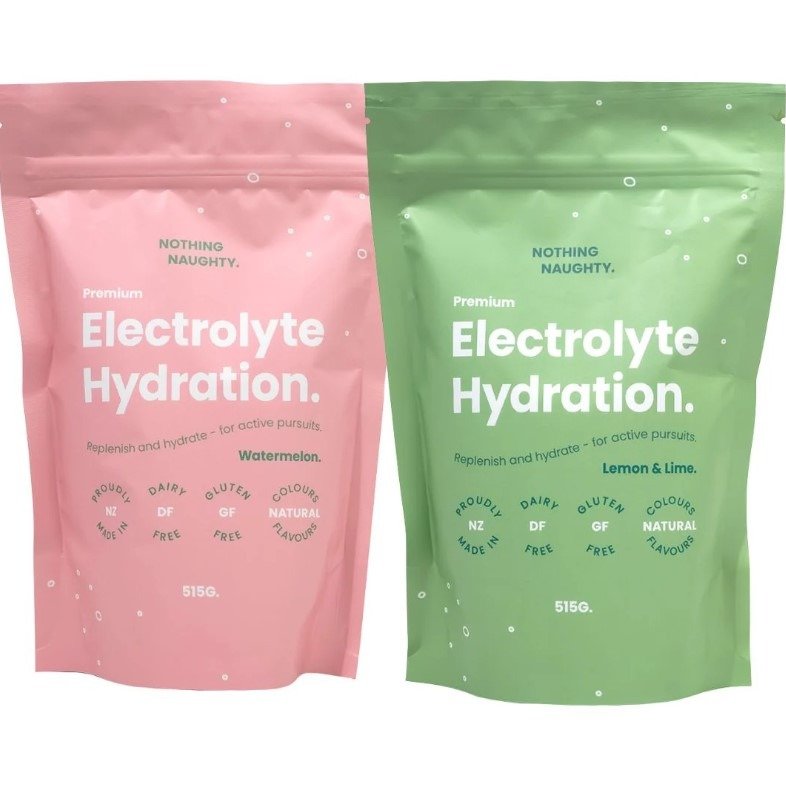
For many athletes, this is the point where electrolyte powder nz options start to make more sense than relying on water alone.
Training Loads Change, and So Do Sodium Needs
Not every training day places the same demand on your body. A short gym session in cool conditions isn’t the same as a long run, a weekend tournament, or a hot afternoon training outdoors.
Sodium needs shift with intensity, duration, and environment. This is why one-size-fits-all advice often misses the mark for active people. Paying attention to how you feel during and after different sessions is usually more helpful than sticking rigidly to generic guidelines.
Where Electrolytes Fit Into an Athlete’s Routine
Electrolytes can support hydration during and after training by helping the body hold onto the fluids you’re drinking. They’re not about pushing limits or chasing shortcuts, but about making hydration more reliable when sweat loss is consistent.
For many athletes, using a hydration powder nz or electrolyte sachets nz as part of regular training helps reduce the small issues that build up over time. Consistency matters more than intensity, especially when training spans weeks or months rather than single events.
How Elyte Fits Into Everyday Athletic Hydration
Elyte hydration nz is designed for everyday use rather than extreme situations. The electrolyte balance supports fluid absorption without added sugar or stimulants, which makes it easier to use across regular training days.
Because Elyte is available as a powder and sachets, it fits naturally into training bags and daily routines. Many athletes prefer a hydration powder nz they can mix to taste and sip gradually, rather than something designed only for race day or short-term recovery.
Used consistently, elyte electrolytes support hydration in a way that feels steady and manageable, not aggressive.
Matching Sodium Intake to Your Training
Athletes don’t live in an average context, and sodium advice needs to reflect that. Training changes how much you lose, how often you need to replace it, and how hydration feels overall.
Rather than avoiding sodium altogether, it often makes more sense to understand how your body responds when hydration is properly supported. Small, consistent adjustments tend to have a bigger impact than dramatic changes made occasionally.
Hydration works best when it fits the reality of your training, not when it follows rules written for someone else’s routine.