Implants for dental purposes can be among the most effective methods of replacing lost or broken teeth. Implants not just aid in restoring the aesthetics of the teeth, they also allow you to take your food, talk and keep your dental health in good shape. Recognising the indicators that suggest you may require implants will assist in taking the appropriate action and protecting you from harm to your oral health.
The blog below will walk you through the most crucial indications that you could gain from dental implants. We’ll discuss them in a simple manner and give you an understanding of the times when you should seek out an expert in dentistry.
What Are Dental Implants?
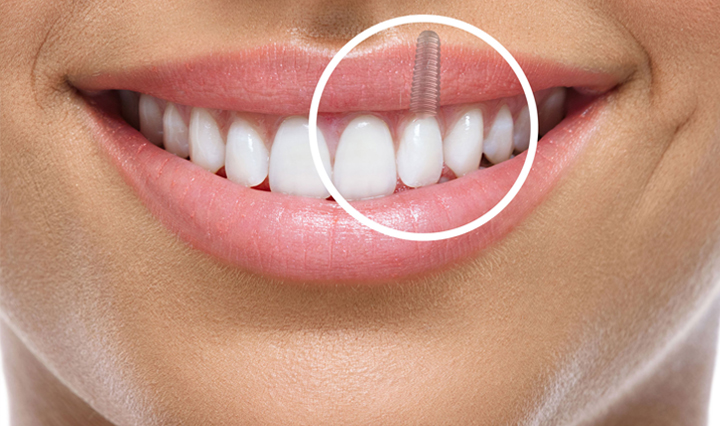
Dental Implants function as artificial teeth made of sturdy materials like titanium. Implants are implanted into your jawbone and act as natural dental root. Once they’re placed, they offer support for crowns, bridges, as well as full arch dental prostheses. Dental implants feel and feel like natural teeth and can remain for an extended time when taken care of by a specialist.
Why It Matters to Recognise the Signs Early
Dental issues or missing teeth could affect more than just your smile. In time, the inability to replace teeth that are missing can lead to bone loss in the jaw, a shift of teeth remaining as well as problems chewing, and modifications to jaw structures. If you recognise the signs early, you will be able to deal with the problem before it becomes more severe.
1. You Have One or More Missing Teeth
Most obvious signs that you could require dental implants is an area where a tooth once was. The loss of teeth may be the result of gum disease and injury and severe decay, or the failure of a tooth extraction.
The loss of teeth can affect more than the look that your smile has. They may also cause problems in chewing and lead to other teeth to shift out of alignment, eventually creating dental decay if they’re not fixed.
If you’re worried over missing teeth dental implants can be the best solution for you that will improve the health of your mouth and general wellbeing.
2. Difficulty Chewing or Eating Certain Foods
If you’re experiencing challenging to chew foods, or chew it with ease This could indicate the tooth may be damaged or that your current dental work isn’t performing as it should. It should be easy and easy. If a tooth is lost or shakey, your bite may be uneven, which could cause you to avoid certain food items.
Over time this could impact the digestion process, since food particles aren’t broken into pieces before you eat. Implants mimic the natural teeth and assist in restoring normal functions of your mouth, so you can eat normal food again.
3. Jawbone Loss or Gum Recession
Another sign that you might require implant dentistry is the loss or shrinking of bones inside the jaw or gum that is pulling out from the tooth. When a tooth has gone then the bone that is in the jaw region doesn’t receive stimulation from chewing, and it begins in shrink. This could alter the way that your face is, causing your cheeks to look droopy or your jaw appears less strong.
Gum recession can expose teeth roots that are and make your teeth appear bigger and resulting in a rise in sensitivity. If you think you’re experiencing gum recession or if your jaw feels different A dental exam by specialists can help you determine the possibility of an implant procedure to be beneficial to you.
4. Loose or Failing Teeth
Tooth that are loose could be an indication of advanced gum disease that is advanced as well as weakening the support structure. If you discover you have a tooth that are sliding or swaying while you chew, it’s important to address the problem as quickly as possible. Teeth that are fragile or damaged could become lost and replacement using dental implants might be the best choice in the long run.
Dental teeth which move cause places for food particles and bacteria can build up increasing the chance of decay and infection.
5. Persistent Pain or Oral Discomfort
A few times a day, sensitivity to your teeth is normal, but chronic pain or discomfort in a particular area of your mouth may indicate more serious problems like dental decay or infection, as well as the failure of teeth repairs. The persistent pain that is not resolved after treatment for dental problems could indicate that the structure of your tooth isn’t strong enough to support repair, which makes implants an ideal choice.
6. Changes in Your Bite or Facial Structure
Loss of teeth, or wear and tear of dental work could alter how your teeth fit into one while you chew. If you’re feeling that there’s a problem aligning your teeth in the way you did before, this may result in excessive pressure on certain teeth, which can cause jaw discomfort or clicking. As time passes, the lack of support may affect your appearance, such as wrinkled cheeks, or an older appearance.
Dental implants help keep the facial structure intact by providing support like natural tooth roots. They may also aid in stimulating bone and maintain it.
7. Uncomfortable Dentures or Dental Bridges
If you’re wearing dentures or bridges and you’re feeling uncomfortable, implants might be a more comfortable and safer option. Dentures that are made from metal may move and cause irritation to the gums, and can make eating or speaking hard. Dentures often require adhesives to keep them in position.
Implants for dentistry however will anchor the new teeth inside the jawbone. This allows you to be confident when you speak, eat and smile with confidence.
8. Persistent Bad Breath or Gum Inflammation
A persistent oral inflammation or bad breath may be more than an issue with health. These signs could be a sign of gum disease, infections, or food particles that have been caught in teeth, which have failed. When natural teeth are damaged, shifting to implant-based treatments can to reduce the areas of concern and also make hygiene more efficient.
When Should You See a Dentist?
If you notice any of these symptoms, you should consider to make an appointment with your dentist. An experienced dentist is able to examine your mouth, make appropriate pictures, and then go over the most effective treatment options. An early assessment can help you avoid more serious problems and maintain the health of your mouth.
The treatment strategy for dental implants generally requires a thorough examination of your oral health of your teeth, strength of your bone, as well as general health of your mouth to ensure the best results.
About Red House Dental
Red House Dental is a reputable dental practice that is dedicated to assisting patients in achieving gorgeous, healthy teeth. With a focus on individualised care and the comfort of patients, Red House Dental offers different treatments, such as implants, restorative dental, and implant placement, as well as preventive treatments. The team of specialists collaborates with each patient to evaluate your dental condition and provide the most appropriate options. When you’re contemplating implants for replacing missing teeth, or to improve their appearance, Red House Dental provides expert and friendly assistance, as well as the most advanced dental treatments throughout the process.
Conclusion
Understanding the signs that you may need implants can make a significant difference in how you look after your smile. From chewing issues and missing teeth, to jawbone and gum problems, the indicators listed above will allow you to know when it’s moment to take action.
Dental implants are the longest-lasting, natural-feeling solution that enhances your oral function as well as appearance. If you’ve experienced any indications or symptoms that don’t go away, don’t hesitate to contact one of the dentists like Red House Dental. Red House Dental. The initial stage of examination can improve your functioning health, and satisfaction with your smile.